Pick & Drop
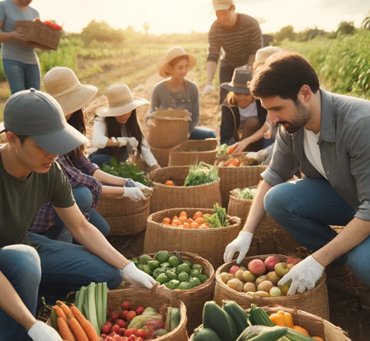
Collecting Fresh Produce From Farmers
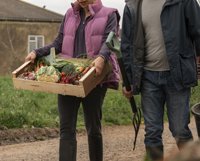
Our dedicated team of volunteers works closely with local farmers to source a variety of fresh produce directly from the fields.
We prioritize selecting ripe, seasonal fruits and vegetables that are grown using sustainable farming practices.
Our volunteers inspect each item to ensure freshness and quality before transporting them to our Distribution Centre.
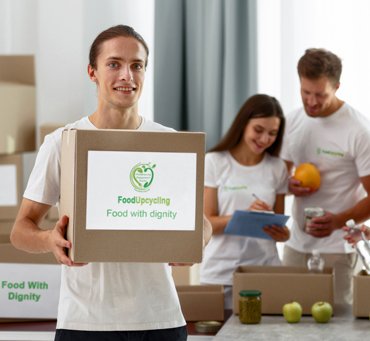
Packaging At The Distribution Centre
Upon arrival at our Distribution Centre, the fresh produce undergoes careful sorting and inspection.
Our packaging process involves separating items into categories such as fruits, vegetables, and leafy greens to ensure efficient organization.
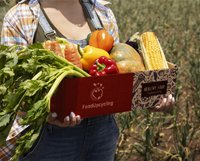
Each package is carefully assembled, taking into account factors such as ripeness, size, and variety to provide a diverse selection for our recipients.
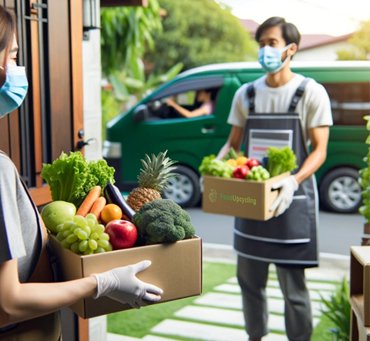
Direct Delivery To Doorsteps
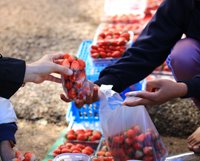
Once packaged, our delivery team sets out to distribute the fresh produce directly to people's doorsteps.
We prioritize timely delivery, ensuring that recipients receive their packages promptly and efficiently.
Our delivery personnel follow strict protocols to maintain the quality and freshness of the produce during transportation, ensuring that each recipient receives the best possible experience.
BYOB (Build Your Own Box)
Explore our BYOB (Build Your Own Box) service, where you can customize your food box based on your dietary needs and preferences. Select from weekly, bi-weekly, or monthly deliveries, choose your favorite produce from our flyer, and enjoy fresh food delivered directly to your doorstep.
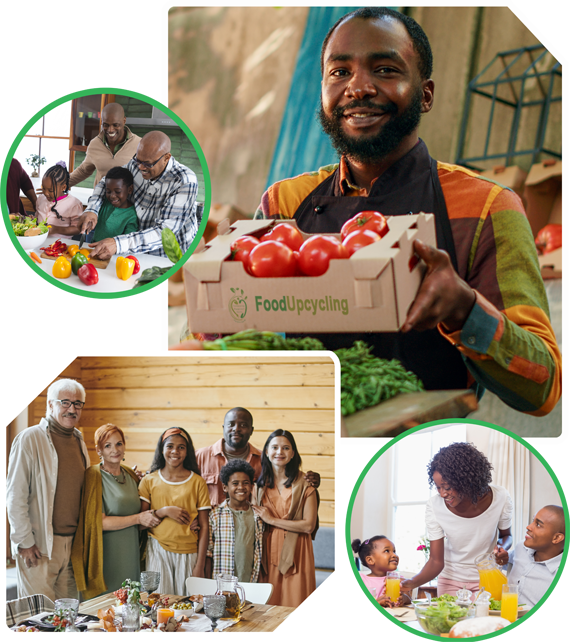
Household food waste reduction
Reduce food waste in households through education and training on food preservation techniques. Encourage mindful cooking practices to minimize excess food production and subsequent waste
Training sessions on food preservation
Conduct workshops to educate participants about various food preservation methods.
Cover techniques such as canning, freezing, pickling, drying, and fermenting.
Provide hands-on demonstrations to ensure practical knowledge understanding.
01
Workshop facilitation
Schedule workshops at convenient times and accessible locations for the target audience.
Collaborate with local community centers, schools, or libraries to host workshops.
Utilize various educational tools such as presentations, videos, printed and conservation materials.
02
Community engagement
Foster a sense of community involvement by inviting neighbors, friends, and family members to participate.
Encourage sharing of personal experiences and tips for reducing food waste.
Foster best food waste management practices among community members.
03
Measuring Impact
Collect data on the amount of food waste generated before and after the workshops.
Conduct surveys to gauge participants' knowledge retention and behavioral changes.
Use feedback to refine future workshops and outreach strategies.
04
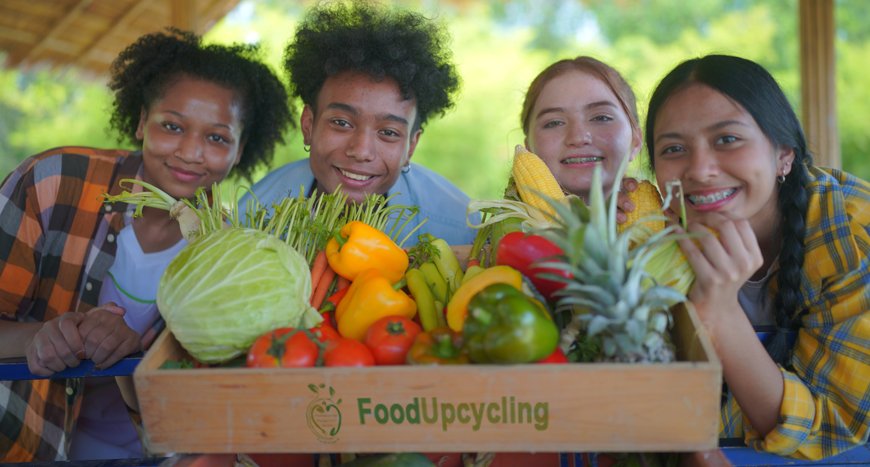
Harvest Rescue
Are you struggling with overproduction or don’t know what to do with remaining produce (all sorts) from your garden, we got you covered !!!